Adrian Barkus
Your board is accountable for technology risk. I make it uneventful.
I'm an Interim CIO. No surprises and no jargon: I take the technology account — architecture, delivery, supplier risk and the private AI platform I build — and I report to your board in terms it can act on. Twenty years of technology leadership across enterprise, public sector and tech: a £1B enterprise programme delivered, a £5M technology budget cut 70% in 40 days, aging systems consolidated. Then I hand it back to a team that owns it, and a board that's comfortable with what it's signing.

55
aging systems, loosely connected
15
systems left, cleanly connected
The shape of that work: 55 loosely connected systems reduced to 15 with a single core. Fewer moving parts, one place the data lives, and a supplier list a board can actually read.
Platforms behind that record: Salesforce · SAP · Oracle · Microsoft Dynamics · MuleSoft · Google Cloud · Tableau
Most recent
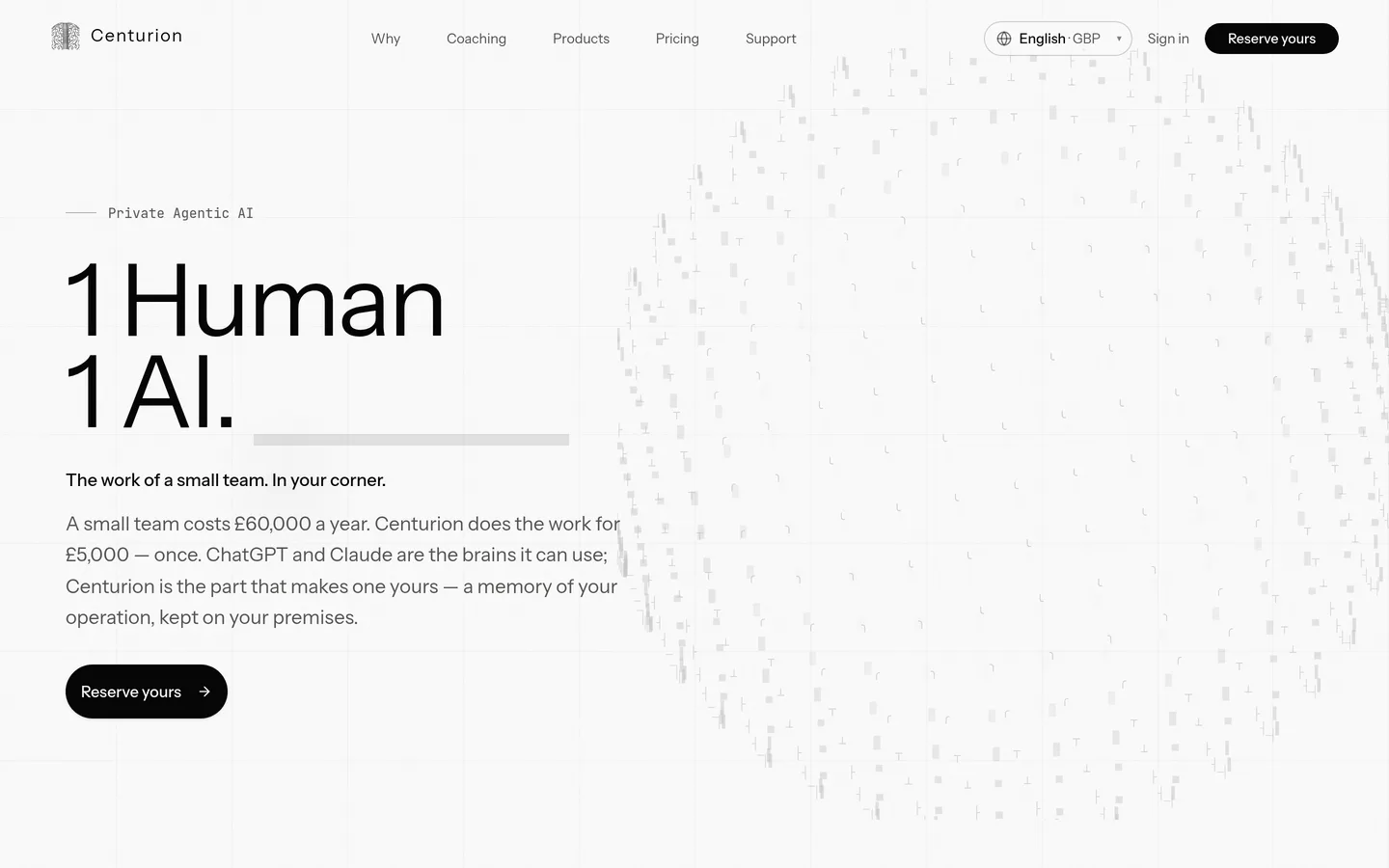
Centurion — private AI platform
Lead developer. Designed, built and installed on hardware the client owns.
Trusted by















When I'm on the job
Your board asks harder technology questions now. You'll have the answers ready.
Technology risk sits with the board now, and it is moving fast. In Australia, APRA's CPS 230 names technology, data and change management risk explicitly — controls, tolerances and the supplier policy all land with the board. In the UK, 84% of firms now name one individual accountable for their AI.
That is a lot to carry, and most boards are still finding their feet on it. Directors are honest about that: in PwC's survey of around 700 of them, only 15% felt their board had the skills to oversee an AI strategy. It is a new discipline, not a failing — and it is fixable.
You will not be asked to become technologists. You get reporting you can interrogate, tolerances you can approve, a supplier position you can defend, and a clear grasp of the risk you are signing off. That is the part of the job I take off your desk — which is why the engagement runs calm rather than dramatic.
The track record behind it: £5M technology budget owned and cut 70% in 40 days, 55 aging systems consolidated to 15, a £1B enterprise programme delivered, £55M of acquisition readiness in six weeks. TOGAF-certified enterprise architecture.
Recent Work
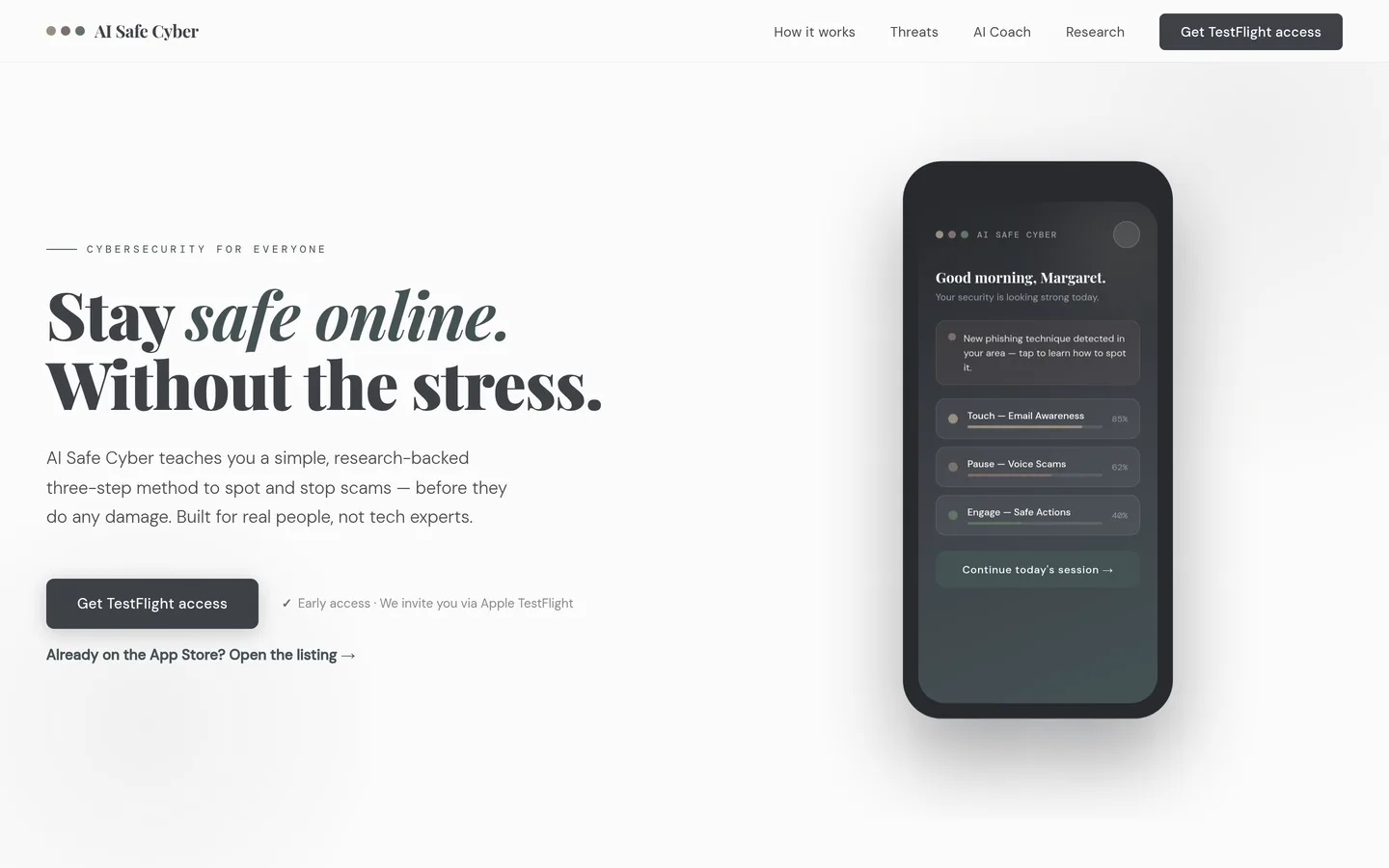
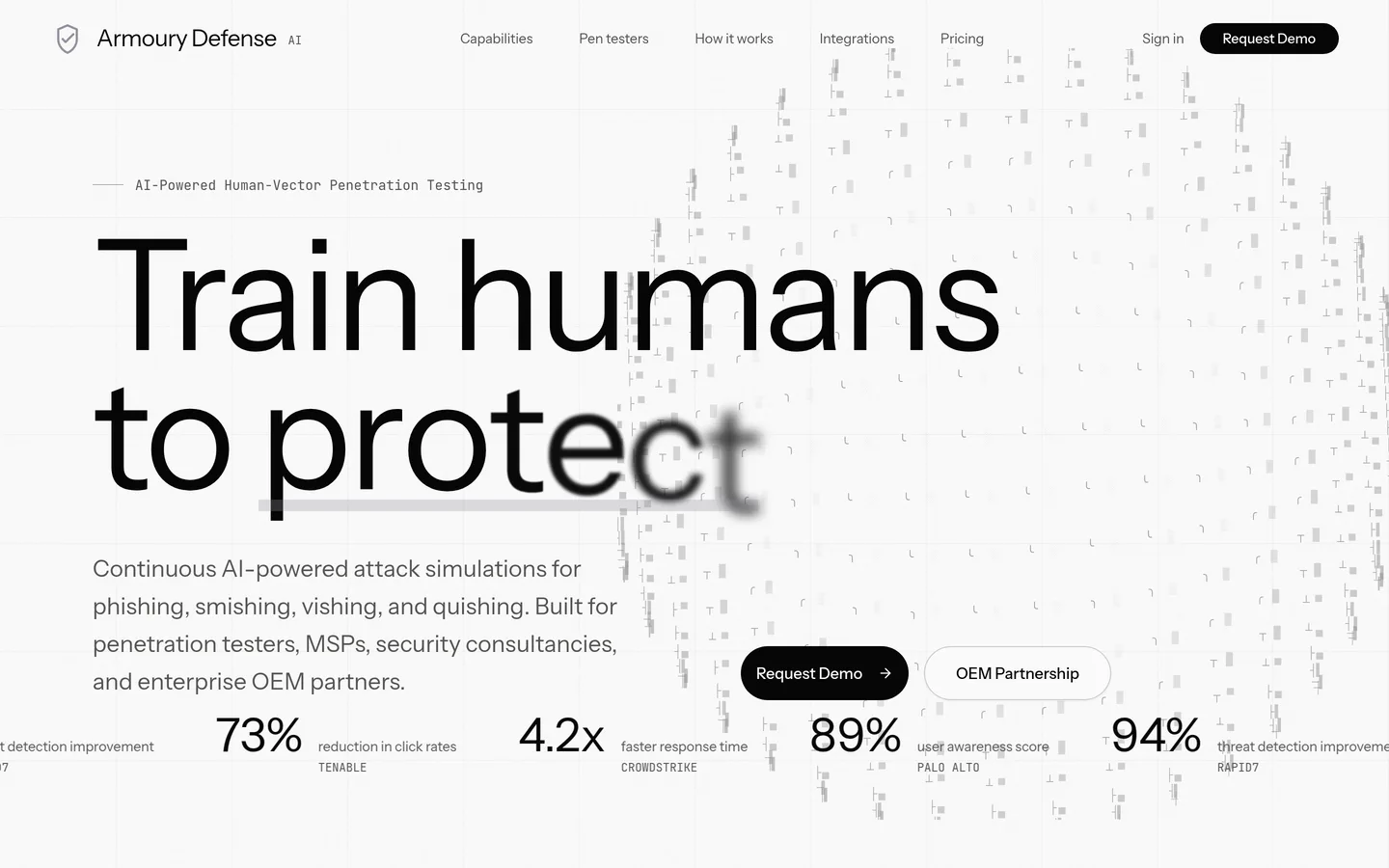
Systems I've Built. Proof, Not Promises.

In their words
Calm under pressure, and clear on the way through.
01 / 06
Recommendations given by former clients and colleagues on LinkedIn, 2008–2025.
AI platform specialist
Vendors sell you a subscription. Centurion is a machine in your building.
Every board is being asked about AI right now. The usual answer puts the firm's data, its clients' data and its regulatory obligations on servers it does not control, under terms that can change without notice.
It is also one less thing to manage. Regulators have started treating concentration on a handful of providers as a risk in its own right — APRA and ASIC name reliance on a small number of providers as a systemic vulnerability. An AI that runs on hardware you own removes that dependency rather than managing it: nothing on your supplier register you cannot point to.
I build that kind. Private AI on hardware your company owns, on its own data, with a model choice that is not locked to one supplier. It is the same architecture I run my own company on.
For regulated businesses — funds, advisers, anyone holding client money or client data — that settles the questions that come up first: where the data lives, and who else has a claim on it. Nothing leaves the building, and there is no provider to reassure the board about. I can hold both halves of that conversation: the strategy and governance a board expects, and the engineering most interim CIOs cannot do themselves. As a certified implementation partner I can install it in your building, on your own hardware — or tell you plainly that it is not the right answer.
Built and running
This is Centurion — built, deployed and maintained by hand, not specified and handed to a vendor. It is the same work I would be doing inside your firm.
The Cleaner
I take on the failing technology programmes — the ones losing money — and finish them.
Most consultants want a clean greenfield build. I want the opposite. When a company calls me in, it is usually because a technology programme has gone over budget, stalled mid-migration, or is being held together by one exhausted person who is close to walking out.
That is where I am best. My peers call me the Cleaner — I take on the hard, old, failing programmes nobody else wants, and I finish them.
First I stabilise the people. Boards, stakeholders and delivery teams get straight answers and a realistic plan before anyone builds anything else. Then I set one agreed architecture and one agreed direction, and the programme starts moving again.
My stable rule: shipped software is the basis of confidence. When a programme starts delivering again, the attrition stops and it closes.
The programme
A machine installed is not a machine used.
Most private AI installations stop on the day they are delivered. The machine arrives, everybody is pleased for a fortnight, and then the daily habit never forms and it becomes another login nobody opens. That is not a technology failure. It is a training failure, and it is entirely predictable.
The Department of One is the ninety-day programme that fixes it. Twelve weekly lessons, taught against your business rather than in the abstract, where you implement each one that same week. Three months, and you finish with a business that runs on systems and habits rather than on you remembering things.
€585 a month for three months, billed monthly — you pay the first month to enrol. Download the brochure.
Engagement
How I Work With Boards and Technology Teams
Technology & Architecture Review
A structured look at your estate, your spend and the risks nobody owns. Where systems duplicate, where budget leaks, and what is actually holding the business back. Most complete within two weeks.
Interim CIO — the 90-Day Engagement
A fixed three-month scope. I take the technology seat, set the strategy and the architecture, install the private AI where it earns its place, and hand it back documented and owned by your team. Most of the value lands in the first six weeks — and what I install keeps working long after I leave.
Handover, Then Retainer
I hand over documented, company-owned systems your team runs itself, then stay on retainer for the decisions that still need a senior brain. The goal is a company that owns its technology long after my last day on site.
What I Do
Two services. Two ways to engage.
Each service is engaged either as a Contract — an exact outcome, three to six months — or as a Retainer for 24 or 48 months. Invoiced monthly, one month in advance.
Service one
Interim CIO — Technology & Security
Board-level technology and security leadership, brought in when the decision is urgent and nobody senior enough is in the seat. I take the account — architecture, delivery, supplier risk — and report in terms a board can act on.
Contract — an exact outcome, scoped and dated. Three to six months.
Retainer — an ongoing seat at the table. 24 or 48 months.
Service two
AI Implementation Specialist
Hands-on installation, configuration and adoption of Centurion inside your own building — for work whose data legally or contractually cannot go to a cloud AI vendor. Certified Centurion Implementation.
Contract — a defined deployment, delivered and handed over.
Retainer — ongoing support and adoption across the estate.
How engagements are invoiced
Monthly, one month in advance, for both models. Contract work is fixed in scope with the dates written down before the first invoice. No equity, no commission and no lock-in — and referral rewards between practices are paid in services credit rather than cash.
Contact
Let's talk about your technology.
If you're carrying a technology programme that has stalled, an estate that has grown out of control, a board question about technology or AI risk you need to answer properly, or a CIO role you're not sure you need to fill — tell me the situation in plain terms. I'll tell you honestly whether I'm the right person and how I'd approach it. No obligation.